The Sipsey Basin – Corridor X (SBCX) STEM Learning Ecosystem [Alabama]
Upper Sipsey Basin and I-22 Corridor region in rural Northwest Alabama, covering Fayette, Lamar, Marion, Walker, and Winston Counties.
![The Sipsey Basin – Corridor X (SBCX) STEM Learning Ecosystem [Alabama] logo](https://stemecosystems.org/wp-content/uploads/2025/09/Screenshot-2025-09-26-at-8.21.53 AM.png "The Sipsey Basin – Corridor X (SBCX) STEM Learning Ecosystem [Alabama] logo")
About
The The Sipsey Basin – Corridor X (SBCX) STEM Learning Ecosystem is a regional initiative designed to expand access to STEM education, workforce training, and entrepreneurial opportunities in rural Alabama. Led by the Alabama Alliance for Growth & Opportunity (ALAGO), it unites K-12 schools, postsecondary institutions, industry leaders, and community organizations to create a seamless pipeline from education to employment.
The Exchange focuses on addressing declining workforce participation, wage disparities, and educational attainment rates in the region. It leverages competition-based learning in drone piloting, robotics, and engineering challenges to engage students, while partnerships provide industry certifications, career exploration, and hands-on technical training aligned with Alabama’s evolving economic landscape.
By integrating advanced manufacturing, agritech, and aviation education into rural communities, the initiative connects students and adults with emerging career opportunities. It also champions entrepreneurship and small business development, fostering local innovation and economic resilience.
As part of a statewide and national STEM Learning Ecosystem network, the Upper Sipsey Basin STEM Exchange is driving economic transformation, equipping rural Alabamians with the skills and knowledge needed to compete in the modern workforce while preserving the region’s cultural and environmental heritage.
VISION
The Upper Sipsey Basin STEM Exchange envisions a thriving, interconnected STEM ecosystem that empowers rural communities by expanding educational access, fostering workforce readiness, and driving regional economic growth. Rooted in hands-on, competition-based learning, the Exchange seeks to bridge the opportunity gap by integrating STEM education with real-world industry applications.
By leveraging strategic partnerships with schools, higher education institutions, businesses, and community organizations, the Exchange aims to increase STEM engagement among historically underrepresented groups, particularly women and individuals with disabilities. Through initiatives in robotics, drone technology, advanced manufacturing, agritech, and aviation, it equips students and adults with the technical and entrepreneurial skills needed for high-demand careers.
The Exchange is committed to removing barriers to participation by ensuring access to high-quality STEM programs, industry certifications, and workforce training that align with Alabama’s evolving economic landscape. It also promotes entrepreneurship and small business development, supporting local innovation and sustainable job creation.
Ultimately, the vision of the Upper Sipsey Basin STEM Exchange is to transform rural Alabama into a hub of STEM excellence, where education and economic opportunity are seamlessly connected, fostering a skilled workforce that can compete and thrive in the modern economy.
GOALS
Upper Sipsey Basin STEM Exchange Goals:
- Expand Access to STEM Education & Career Pathways
• Increase participation in STEM programs, competitions, and hands-on learning experiences for K-12 students and adults.
• Integrate industry-recognized certifications and workforce training into education. - Empower Underrepresented Populations
• Increase women’s workforce participation and engagement of individuals with disabilities in STEM fields.
• Address wage disparities and educational attainment gaps through targeted programming. - Strengthen Industry & Education Partnerships
• Connect schools, postsecondary institutions, and businesses to create a seamless STEM-to-career pipeline.
• Align programs with Alabama’s economic and workforce needs, particularly in advanced manufacturing, agritech, and aviation. - Foster Innovation & Entrepreneurship
• Support small business development and technology-driven entrepreneurship in rural communities.
• Utilize STEM education to promote local economic resilience and sustainability. - Advance Rural Economic Transformation
• Position the Upper Sipsey Basin as a leader in STEM-based workforce development.
• Leverage regional assets, including natural resources and industrial hubs, to create new opportunities.
Key Programs
Currently, the Upper Sipsey Basin STEM Exchange serves approximately 10,000–12,000 learners annually across K-12 students, educators, postsecondary students, and workforce participants.
K-12 Students: The Exchange directly engages 5,000–6,000 students annually through competition-based STEM programs, classroom integrations, and workforce readiness initiatives. Programs: Curriculum; In-school programs; Afterschool programs; Summer school programs; Work-based learning programs; Career & Technical Education (CTE); Stackable credentials; Technical training & certification; Workforce skills & development
Educators & School Leaders: Over 400 teachers and administrators participate in STEM professional development, instructional resources, and hands-on learning training to strengthen classroom STEM education. Programs: Professional Development; Training; Resources; Externships; Research Experiences
Postsecondary & Workforce Learners: Around 2,500–3,000 adult learners, including college students, technical trainees, and career changers, benefit from industry certifications, career training, and workforce development programs.
Community Engagement & Informal Learning: Through camps, workshops, site visits, and public STEM outreach events, an additional 2,000–2,500 community members gain exposure to hands-on, real-world STEM experiences.
As the Upper Sipsey Basin STEM Exchange expands its partnerships, programming, and outreach, it aims to triple its impact over the coming years, ensuring more students, educators, and workforce participants have access to transformative STEM learning and career pathways.
KEY PROGRAMS
The Upper Sipsey Basin STEM Exchange leads multiple initiatives designed to expand STEM education, workforce development, and entrepreneurship in rural Alabama. Below are the key initiatives that drive the ecosystem’s mission:
1. STEMSTART Initiative
Focus: Early STEM Education (Birth–4)
Description: The STEMSTART Initiative introduces young learners (Birth–4) to foundational STEM concepts through hands-on, play-based learning experiences. It supports early childhood educators and caregivers with resources and training to integrate problem-solving, critical thinking, and early technology exposure into early learning environments.
2. TECHFARM (Talent Exploration & Creativity Hub for Futures in Agritech, Robotics, & Manufacturing)
Focus: Middle Grades Career Exploration & STEM
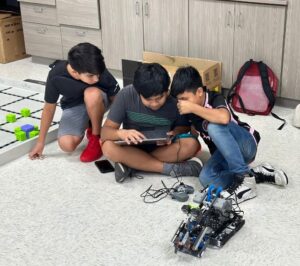
Description: The TECHFARM Initiative engages middle school students in agritech, robotics, and modern manufacturing through school-based enterprises, STEM competitions, and hands-on career exploration. Students learn engineering principles, fabrication techniques, and farm-to-table entrepreneurship, directly connecting education to real-world STEM applications.
3. M.A.D.E. (Manufacturing, Agritech, Design, & Entrepreneurship) Program
Focus: Year-Round STEM Learning (Grades 5-12)
Description: The M.A.D.E. Program provides hands-on STEM experiences in advanced manufacturing, agritech, and entrepreneurship through year-round after-school and summer programming. Originally launched as a summer camp in 2022, M.A.D.E. will expand into a full after-school program in 2025, integrating career-driven STEM skills and industry exposure for students.
4. SOARS (Sowing Opportunity through ACCESS for Rural Students) Initiative
Focus: Aviation & Drone Technology
Description: The SOARS Initiative introduces students to aviation technology, drone piloting, and FAA Part 107 certification preparation. Through drone soccer, drone racing, and engineering challenges, students gain exposure to high-tech career pathways in aerospace, defense, and unmanned aerial systems (UAS). The program runs after school, three days per week, with weekend competitions.
5. RESET (Rural Enterprise & Sustainable Economic Turnaround) Depot
Focus: Workforce Development & Entrepreneurship
Description: The RESET Depot is a multifunctional hub designed to support small businesses, provide workforce training, and foster STEM entrepreneurship. It will serve as an incubator for tech startups, agribusinesses, and advanced manufacturing enterprises, while also offering industry certifications and hands-on career training for rural residents.
6. West Gate Community Garden & Orchard
Focus: STEM & Sustainability Education
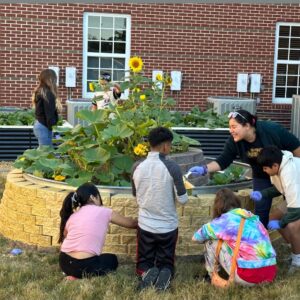
Description: The West Gate Community Garden & Orchard integrates agriculture, ecology, and STEM learning, offering hands-on experiences in sustainability, hydroponics, and food systems education. This initiative provides school-based agricultural STEM programs, supports farm-to-table efforts, and engages students, families, and community members in environmental conservation.
These initiatives are at the core of the Upper Sipsey Basin STEM Exchange, ensuring that students, educators, and workforce participants gain the skills and opportunities needed to thrive in Alabama’s evolving economy.
WORKFORCE DEVELOPMENT
The Upper Sipsey Basin STEM Exchange takes a comprehensive, industry-aligned approach to developing future-ready skills and strengthening workforce development in rural Alabama. By bridging the gap between education and employment, the Exchange ensures that students, career changers, and workforce participants gain the STEM competencies, technical certifications, and career experiences necessary to succeed in Alabama’s evolving economy.
Our approach begins with early exposure to STEM learning, equipping students from Birth–12th grade with hands-on, problem-solving experiences that build critical thinking, digital literacy, and innovation skills. Programs like TECHFARM, SOARS, and M.A.D.E. integrate robotics, drone piloting, and advanced manufacturing training directly into schools and after-school programs, aligning STEM education with real-world career pathways.
Through strategic industry partnerships, the Exchange provides career exploration, job shadowing, micro-apprenticeships, and industry-recognized credentials that give learners direct experience with high-demand career fields such as aerospace, agritech, automation, and industrial technology. Initiatives like RESET (Rural Enterprise & Sustainable Economic Turnaround) Depot foster entrepreneurial development, equipping individuals with the skills to launch small businesses and tech-driven enterprises that drive local economic growth.
Additionally, the Exchange prioritizes access, addressing workforce participation gaps among women and individuals with disabilities through targeted upskilling programs and access to National Career Readiness Certification (NCRC) and FAA Part 107 drone pilot certification. By leveraging rural assets, embracing emerging technologies, and aligning education with workforce demands, the Upper Sipsey Basin STEM Exchange ensures that rural Alabamians are not just prepared for the jobs of the future, but positioned to lead them.
Partners
The Upper Sipsey Basin STEM Exchange actively partners with early childhood education providers, Head Start programs, and pre-K initiatives to integrate STEM learning opportunities for young children. Through these partnerships, the Exchange promotes early exposure to STEM concepts, laying a foundation for future learning and workforce readiness.
A key component of this effort is the STEMSTART Initiative, designed specifically for learners ages Birth-4. STEMSTART provides hands-on, play-based learning experiences that introduce young children to foundational STEM principles, including problem-solving, critical thinking, and early technology exposure. The initiative also equips early childhood educators and caregivers with resources and training to support STEM-rich environments in classrooms and homes.
- School District Collaborations: Working with public school systems and independent schools to implement STEM competitions, robotics, drone programs, and advanced manufacturing education.
- Career & Technical Education (CTE) Integration: Supporting middle and high school CTE programs, including the TECHFARM Initiative, which combines agritech, robotics, and manufacturing to create school-based enterprises and hands-on STEM experiences.
- After-School & Summer Programs: Expanding STEM engagement through initiatives like the M.A.D.E. (Manufacturing, Agritech, Design, & Entrepreneurship) Program, transitioning from a summer camp to a year-round after-school offering in 2025.
- Drone & Robotics Competitions: Introducing SOARS (Sowing Opportunity through ACCESS for Rural Students), an aviation-focused program that engages students in drone soccer, drone racing, and FAA Part 107 certification preparation.
- Educator Professional Development: Providing teacher training, curriculum resources, and STEM integration workshops to strengthen classroom-based STEM instruction.
Key Higher Education Partnerships & Initiatives: The Upper Sipsey Basin STEM Exchange collaborates with higher education institutions to create pathways from education to employment, ensuring students, career changers, and workforce participants have access to industry-aligned STEM training and credentials. These partnerships support dual enrollment, technical training, workforce development, and research-driven STEM initiatives.
- Bevill State Community College (BSCC)
- University of Alabama
- Alabama A&M University & Auburn University
- Community College & Technical School Partnerships
- Adult & Continuing Education Programs
Key OST & Informal STEM Partners: The Upper Sipsey Basin STEM Exchange collaborates with a network of Out-of-School Time (OST) and Informal STEM providers to expand STEM learning beyond the classroom. These partnerships ensure that students, families, and communities have access to engaging, hands-on STEM experiences that reinforce curiosity, exploration, and workforce readiness.
- M.A.D.E. (Manufacturing, Agritech, Design, & Entrepreneurship) Program
- SOARS (Sowing Opportunity through ACCESS for Rural Students) Initiative
- Alabama 4-H & Extension Programs
- McWane Science Center (Birmingham, AL)
- Cook Museum of Natural Science (Decatur, AL)
- Birmingham Zoo & Alabama Wildlife Center
- Public Libraries & STEM Learning Hubs
- Drone & Robotics Competitions
Key Business & Industry Partners: The Upper Sipsey Basin STEM Exchange collaborates with business and industry partners to align STEM education with workforce needs, ensuring students and workforce participants develop skills relevant to Alabama’s growing economic sectors. These partnerships provide career exposure, hands-on training, and industry certifications that connect education to real-world opportunities.
- Manufacturing & Advanced Industry: 3M (Guin, AL); Dal-Tile (Muskogee, OK & Fayette, AL); Auto Manufacturers (Mercedes-Benz, Toyota/Mazda, Honda, Hyundai)
- Aviation & Aerospace: Alabama’s Aviation Industry Partners; Defense Industry (Huntsville, AL & Columbus, MS)
- Agriculture & Agritech: Alabama Farmers Federation & Agribusiness Leaders; Greenhouse & Precision Agriculture Partners
- Technology & Innovation: Innovate Alabama Network; Small Business & Rural Entrepreneurs
- Workforce & Economic Development: Northwest Alabama Economic Development Alliance (Northwest Alabama EDA); Alabama Community College System & Workforce Councils
Key Community Partners: The Upper Sipsey Basin STEM Exchange collaborates with a diverse range of community partners to expand access to STEM education, workforce development, and economic opportunities. These partnerships ensure that students, families, and job seekers have the resources and support needed to engage in STEM learning, career training, and entrepreneurship.
- Workforce & Economic Development Centers: Northwest Alabama Economic Development Alliance (Northwest Alabama EDA); Bevill State Community College Workforce Solutions Center; AlabamaWorks! & Local Workforce Councils
- Faith-Based & Nonprofit Organizations: Local Churches & Faith-Based Groups; Community Action Agencies
- Public Libraries & Educational Centers: Fayette, Lamar, Marion, Walker, & Winston County Library Systems; Public School STEM Learning Hubs
- Rural & Underserved Community Initiatives: RESET (Rural Enterprise & Sustainable Economic Turnaround) Initiative; North Fayette County Community Garden & Orchard; Community Centers & Recreation Programs
Key Government Agency Partners:The Upper Sipsey Basin STEM Exchange collaborates with various government agencies at the local, state, and federal levels to advance STEM education, workforce development, and economic opportunities. These partnerships help align policy, funding, and programmatic support to strengthen the region’s STEM ecosystem and workforce pipeline.
- Local & Regional Government: County & Municipal Governments (Fayette, Lamar, Marion, Walker, & Winston Counties); Northwest Alabama Economic Development Alliance (Northwest Alabama EDA); Chambers of Commerce
- State Agencies:; Alabama Department of Education (ALSDE); Alabama Community College System (ACCS); AlabamaWorks! & Regional Workforce Councils; Alabama Department of Commerce – Workforce Development Division; Alabama Department of Economic and Community Affairs (ADECA)
- Federal Agencies & Programs: U.S. Department of Education (USED); National Science Foundation (NSF); Appalachian Regional Commission (ARC); U.S. Department of Agriculture (USDA); Federal Aviation Administration (FAA)